Unexpected Alliance: Why Small Businesses Should Care About Online Slots
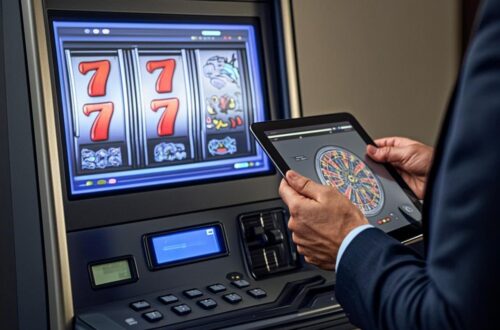
When most people think of online slots they imagine big casinos, flashing banners, and celebrity endorsements. What’s rarely discussed is how the mechanics and ecosystems built around online slots offer blueprints and tools for small businesses. Slots are essentially compact UX experiments: high-frequency feedback loops, micro-rewards, and data-rich telemetry. For a local coffee shop, boutique, or independent developer, adopting slot-inspired mechanics can boost repeat visits and increase average transaction value without becoming a casino.
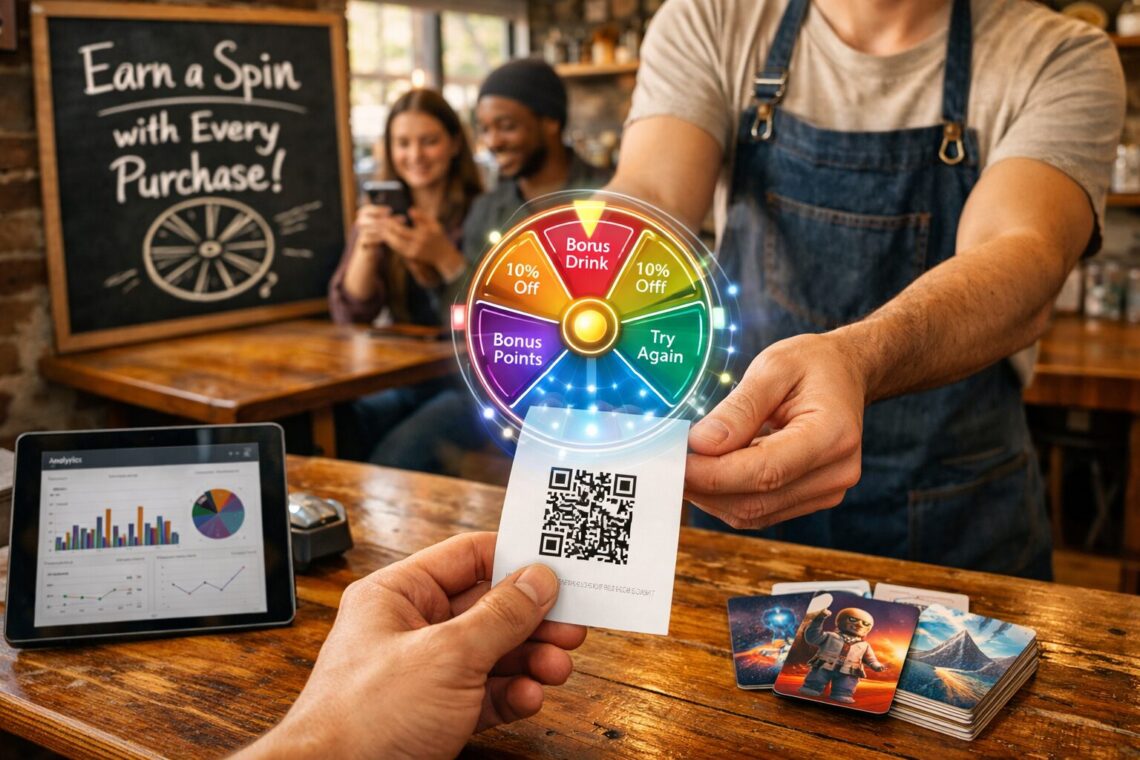
Consider the idea of a ‘digital spin’ integrated into a loyalty app. Instead of a simple punch card, customers earn spins for purchases, referrals, or social shares. The psychological drivers—variable rewards, immediate feedback, and the thrill of potential high-value wins—translate into measurable behavioral shifts. This isn’t about gambling; it’s about borrowing game design to amplify honest customer engagement.
Micro-Revenue Streams: Monetization Models Borrowed from Slots
Online-slot ecosystems create small, repeatable revenue streams: in-app purchases, feature unlocks, and cosmetic upgrades. Small businesses can adopt analogous models: premium membership tiers that grant extra spins or exclusive access, pay-to-boost options for local marketplace listings, or limited-time digital collectibles tied to purchases.
A florist might sell a $1 “Lucky Bloom” spin that can add a free upgrade to a bouquet. A neighborhood gym could offer micro-transactions for instant class reservations during peak times. These low-friction price points lower the barrier to purchase while creating predictable, incremental income that scales with community size.
Data-Driven Iteration: Telemetry Lessons from Slot Machines
One of the hidden strengths of online slots is telemetry—every spin, hold, and autoplay is tracked. Small businesses don’t need casinos’ budgets to benefit from this principle. Implementing lightweight event tracking (which buttons users click, what time of day they redeem rewards, what spin outcomes correlate with repeat visits) reveals actionable patterns.
Start simple: instrument a loyalty spin with events for ‘spin_initiated’, ‘spin_outcome’, and ‘redemption_used’. Over time you’ll see which prize tiers move the needle, when customers are most receptive, and how changes to odds or messaging affect behavior. Use those insights to refine inventory, hours, staffing, and marketing cadence.
Brand Storytelling Through Theme and Design
Online slots succeed largely because of tight thematic coherence: the visual design, sounds, and narratives all reinforce the mechanic. Small businesses can create themed micro-experiences that amplify brand identity. A bookstore could design a literary-slot where spins celebrate different genres—win a poetry bookmark, a mystery-themed tote, or a discount on a curated bundle.
Localized themes also build community: seasonal spins tied to farmer’s market harvests, neighborhood history, or collaborations with local artists. These designs serve two functions—driving transactions and creating shareable content for social channels. Customers don’t just buy a product, they participate in a branded moment.
Partnerships and White-Label Opportunities for Entrepreneurs
The slot economy is supported by B2B providers offering white-label mechanics, randomization engines, and compliance tools. Entrepreneurs can act as integrators: web designers, POS vendors, and marketing agencies can package spin mechanics into turnkey offerings for small business clients. This is a low-capex product to sell: a monthly SaaS that plugs into existing sites or apps and handles odds, reward distribution, and analytics.
Additionally, co-branded partnerships—where several small businesses pool a reward pool—create cross-promotion opportunities. A local cinema, café, and boutique could share a spin program that directs customers between businesses, increasing foot traffic without heavy ad spends.
Ethics, Regulation, and Responsible Design
Adopting slot-like mechanics does raise ethical and regulatory questions. The line between gamification and gambling must be respected. Small businesses should prioritize transparency in odds, set spending or participation limits, and avoid targeting vulnerable populations. Design choices like guaranteed small wins, cooldowns between spins, and clear messaging about odds protect customers and the brand.
From a legal perspective, consult local regulations before introducing any mechanism involving chance and monetary value. Many jurisdictions distinguish promotional games from gambling; structuring rewards as discounts, freebies, or loyalty points usually keeps programs on the safe side—but always verify compliance.
Real-World Microcase Studies and Quick Wins
1) A neighborhood bar replaced half-price-night promotions with a ‘Spin the Tap’ digital wheel—patrons earned spins for attending trivia nights. Result: 18% lift in weekday visits and a 12% rise in average order value. 2) An online craft store sold digital spin credits bundled with tutorials—spins yielded small coupon codes; the store reported higher course signups and repeat purchases. 3) A freelance developer built a white-label spin widget for local restaurants and sold monthly licenses to 30 businesses within a year.
Quick wins for entrepreneurs: integrate a single-spin mechanic into checkout, run a weekend-only spin campaign, or prototype a co-branded spin with a neighboring business. Measure results, iterate, and scale what works.
Looking Ahead: How Emerging Tech Amplifies the Opportunity
New tech—web3 micro-payments, AR overlays, and generative personalization—can amplify slot-inspired programs. Imagine NFC-enabled in-store AR spins that reveal contextual offers, or blockchain-backed digital collectibles that unlock cross-store perks. These are not necessary to start, but they represent a roadmap for entrepreneurs seeking differentiation.
Ultimately, online slots offer a toolkit: rapid feedback loops, low-friction micro-transactions, and storytelling through design. When applied responsibly, these tools empower small businesses to create memorable customer interactions, diversify revenue, and compete with larger players on experience rather than budget.